Composite Polymer Insulator About
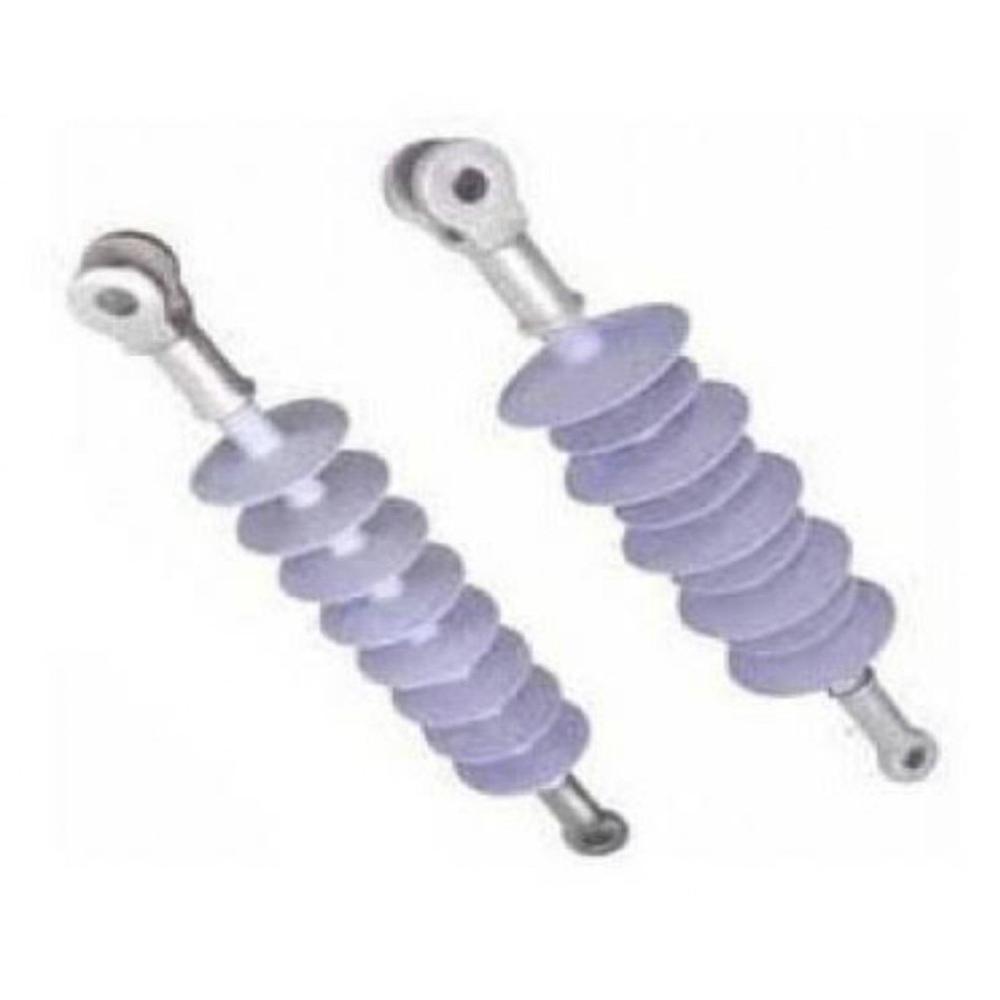
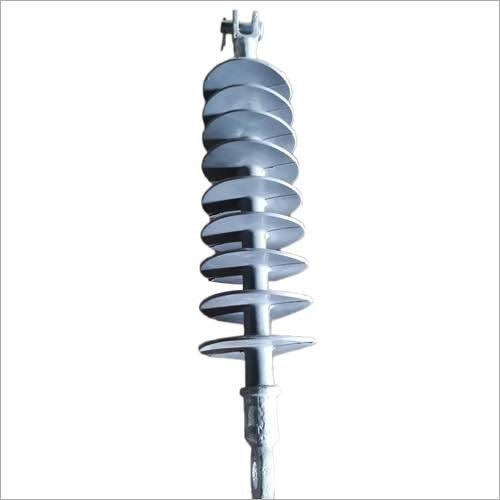
The main component of the composite insulator is a silicone rubber sheath. Silicone rubber is formed by the linkage of high-molecule polymers of polydimethyl siloxane and organic oxygen compounds; the main chain is formed by a silicon oxygen bond.Engineered for Performance and ReliabilityDesigned for single-phase systems, this composite polymer insulator delivers efficiency greater than 99%, high power factor (>0.98), and low leakage current for optimal transmission line operational stability. Its superior arcing distance and high protection level make it well-suited to withstand challenging climatic conditions, including high humidity ( 95% RH) and wide temperature ranges.
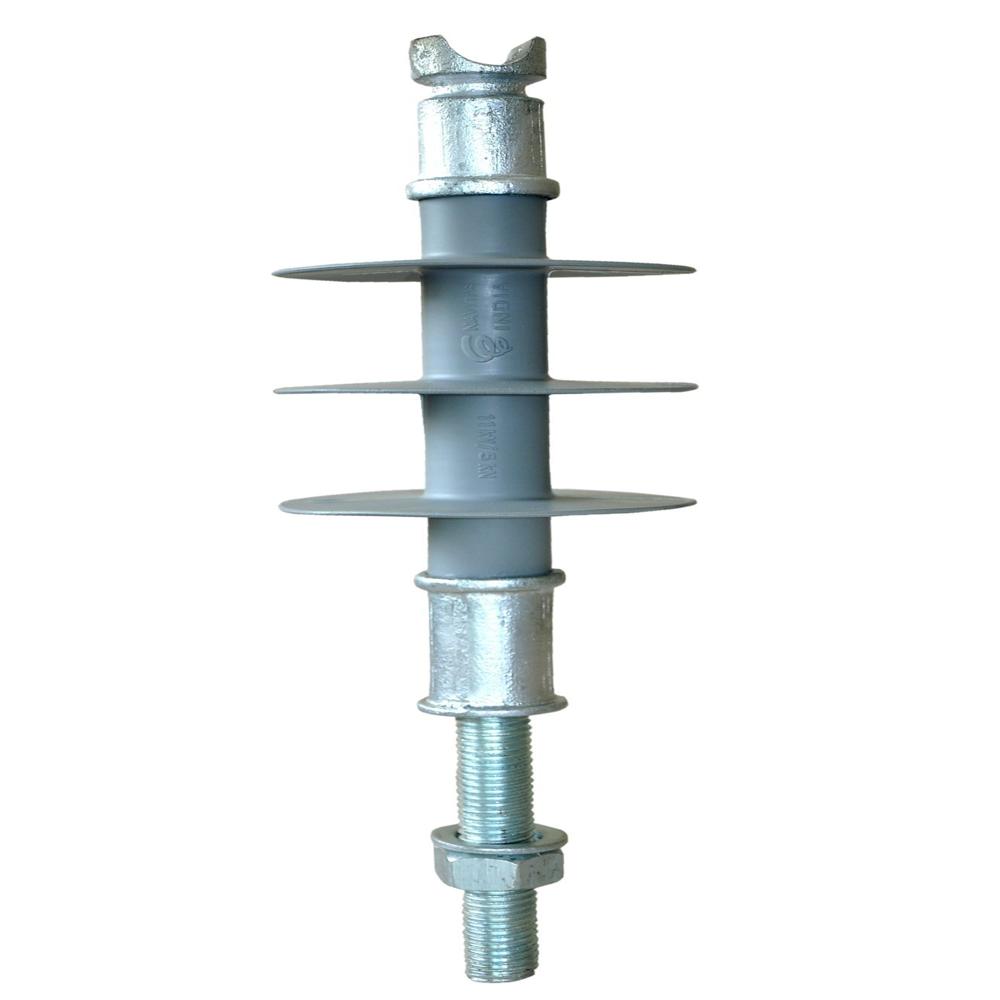
Advanced Material TechnologyUtilizing a combination of FRP (fiber reinforced polymer) core and HTV silicone rubber housing, the insulator offers outstanding mechanical strength and electrical insulating properties. Its anti-tracking surface finish and IP66 rating prevent degradation from environmental exposure, while UV stability ensures longevity. The metal fitted end caps guarantee secure and lasting connections.
FAQ's of Composite Polymer Insulator:
Q: How is the composite polymer insulator installed on transmission lines?
A: The insulator uses a pin-type mounting with metal-fitted end caps for vertical installation on single-phase transmission and distribution lines. Ensure that proper torque is applied during installation for secure and reliable connections.
Q: What benefits does the HTV silicone rubber housing provide?
A: HTV silicone rubber offers excellent hydrophobicity, superior tracking resistance, and high UV stability, resulting in improved performance over traditional materials, especially in harsh weather and high-pollution environments.
Q: When should this insulator be chosen over conventional porcelain types?
A: This composite polymer insulator is ideal when reduced weight, high mechanical strength, superior anti-tracking, and enhanced weathering resistance are required, as well as in regions demanding strict adherence to IS and IEC standards.
Q: Where can this insulator be used effectively?
A: It is primarily used in transmission and distribution networks across India, particularly in outdoor installations requiring high protection levels, such as substations, overhead lines, and areas with severe environmental exposure.
Q: What process ensures compliance with IS and IEC certifications?
A: Each insulator undergoes rigorous type and routine testing to meet both IS and IEC standards, assessing parameters like mechanical strength, track resistance, leakage current, voltage withstand, and environmental durability before being supplied to customers.
Q: How does the design guarantee low leakage current and high tracking resistance?
A: The combination of HTV silicone rubber housing and a fiber reinforced polymer core, along with a smooth anti-tracking surface, minimizes surface current and prevents the formation of conductive paths, reducing leakage and enhancing longevity.





 Send Inquiry

 Send Inquiry
 Send Inquiry
 Send SMS